It’s essential that during this time, we, as educators, are compassionate, kind, and supportive of our students, especially when they make mistakes. At the same time, we should see these mistakes as learning opportunities.
Read MoreIt’s essential that during this time, we, as educators, are compassionate, kind, and supportive of our students, especially when they make mistakes. At the same time, we should see these mistakes as learning opportunities.
Read MoreWhen we think of flexible-learning spaces, we should think of how students can creatively, thoughtfully, and intentionally repurpose their learning environment to facilitate learning.
Read MoreOne way to replicate real-world collaboration in the classroom is through a flexible grouping model. Here, no assignment is explicitly independent or collaborative; instead, the balance is struck by the learners themselves.
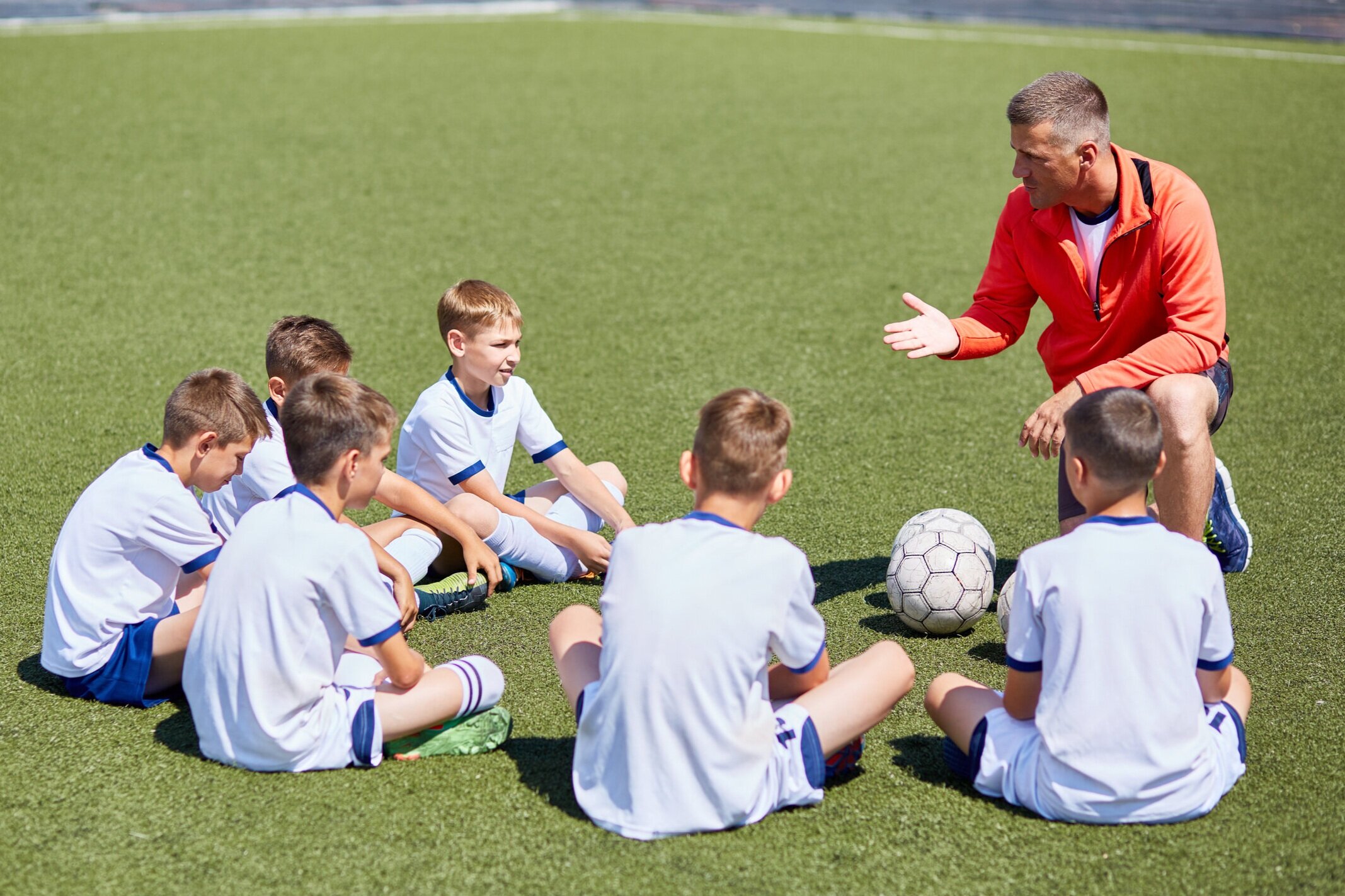
Read MoreSome students’ most memorable and formative learning experiences will take place on the field, court, or stage. What are we doing to ensure that these experiences still promote and reinforce our beliefs about learning?
Read MoreIf we want students to reap the benefits of personalized learning, we must appreciate that their experience with things like agency and choice cannot be limited to the classroom. Our work cannot stop at the school gates.
Read MoreLooking back, I don't recall what I said. I can only remember the sensation that rushed through my body during those first few minutes. The belief that I was actually doing it — I was teaching and students were engaged.
Read MoreProgressive. A term often used, and equally often, misunderstood. The term might seem nebulous at times, but the vagueness surrounding it does not mean it lacks definition. Over a century ago, Helen Parkhurst actually did just that – defined that which Dewey himself said couldn’t be.
Read MoreRigor is the most misunderstood word in education. Fortunately, it’s not terribly hard to define. According to Norman Webb, rigor is about climbing the conceptual ladder, pushing our students to delve deeper, question more, and connect the dots between the known and the unknown.
Read More